

A Gentle Path Toward Clarity and Resilience in Puerto Vallarta
There’s something about Puerto Vallarta that invites reinvention. People arrive here at turning points — retirement, recovery from burnout, the start of a new chapter, or the quiet realization that life needs to feel different. The sunsets are slower. The ocean air softens the edges. And yet, for many, the nervous system is still running on high alert.
Now, NeurOptimal Neurofeedback is available in Puerto Vallarta, offering a non-invasive, drug-free way to support clarity, resilience, and overall well-being. The work is led by Stan Wagner, founder and certified NeurOptimal trainer at Puerto Vallarta Neurofeedback. For Stan, this isn’t just a professional service. It’s a deeply personal journey.
From Client to Practitioner
Stan first experienced NeurOptimal neurofeedback as a client. As a small business owner managing complex and competing projects, he was no stranger to pressure. But he hadn’t anticipated how significantly his internal experience of that pressure could shift.
“Neurofeedback helped with mental clarity and executive function in ways I hadn’t experienced before,” he explains. “I felt clearer and less reactive. I was able to handle a complex, demanding day without feeling overwhelmed.”
The change wasn’t dramatic or theatrical. It was steady. Practical. Grounded. His thinking felt sharper. His reactions softened. The background tension that once shaped his days began to ease.
When he and his family moved to Mexico, Stan decided to offer neurofeedback professionally. What began in a small office has since grown into multiple locations, largely through word of mouth, including referrals from Guadalajara and Mexico City. For him, the most meaningful moments are simple and human.
“What gives me great satisfaction,” he says, “is watching someone realize they feel different and better — steadier, clearer, lighter, and more themselves.”
Why Puerto Vallarta?
Puerto Vallarta draws people who are in transition. Some are retiring. Others are reinventing themselves after demanding careers. Many have created a beautiful life here, but internally are still operating in a high-stress state.
“I continually meet people who have built something wonderful here,” Stan says. “But their nervous systems are still running as if they’re in the middle of constant demands.”
Having experienced the benefits firsthand, he believed neurofeedback would resonate deeply in this community. The goal isn’t to fix anyone. It’s to help people experience a cognitively healthier life that matches the beauty and pace of their surroundings.
What Makes NeurOptimal® Different?
NeurOptimal Neurofeedback is registered with the United States Food and Drug Administration as a General Wellness device, reflecting documented research and safety standards. But what distinguishes the experience in practice goes beyond classification.
There is no diagnosis during sessions. No rigid medical protocol. No expectation that a client must feel something specific. NeurOptimal’s dynamical feedback process allows the brain to receive information about its own activity and make adjustments naturally.
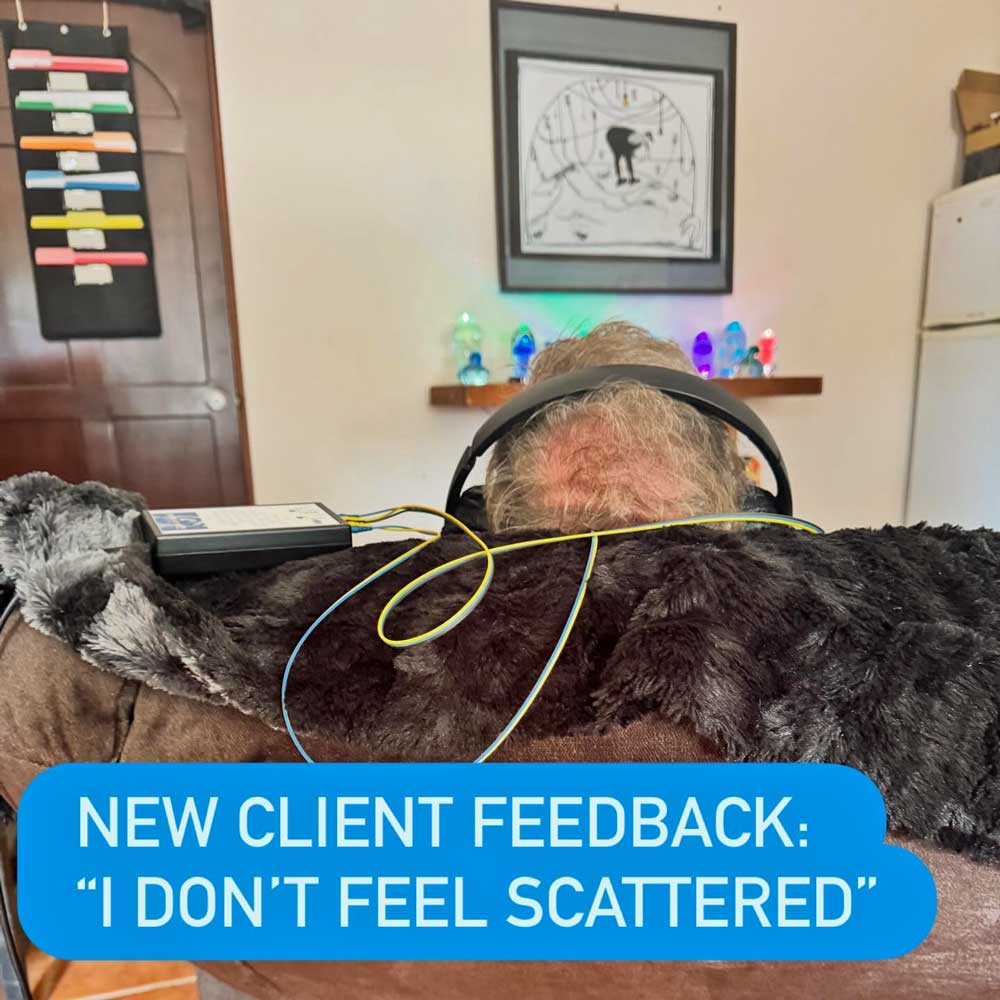
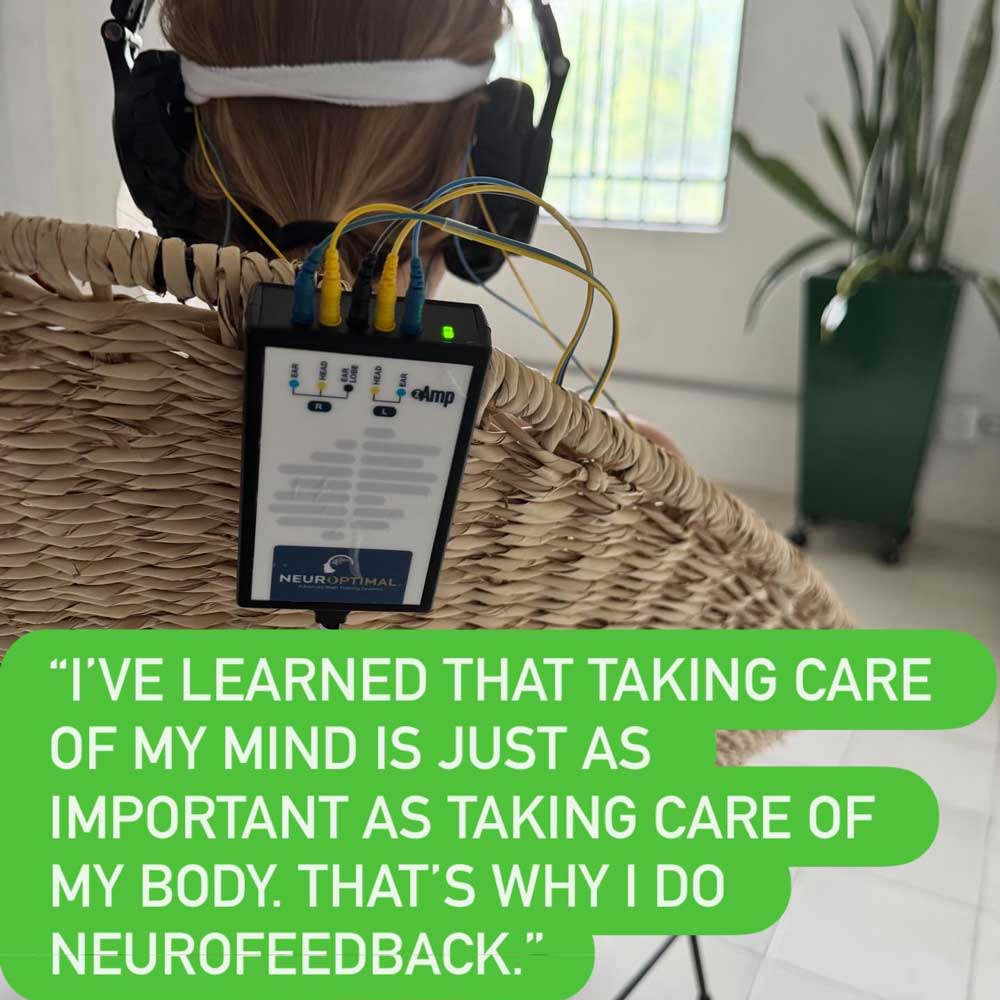
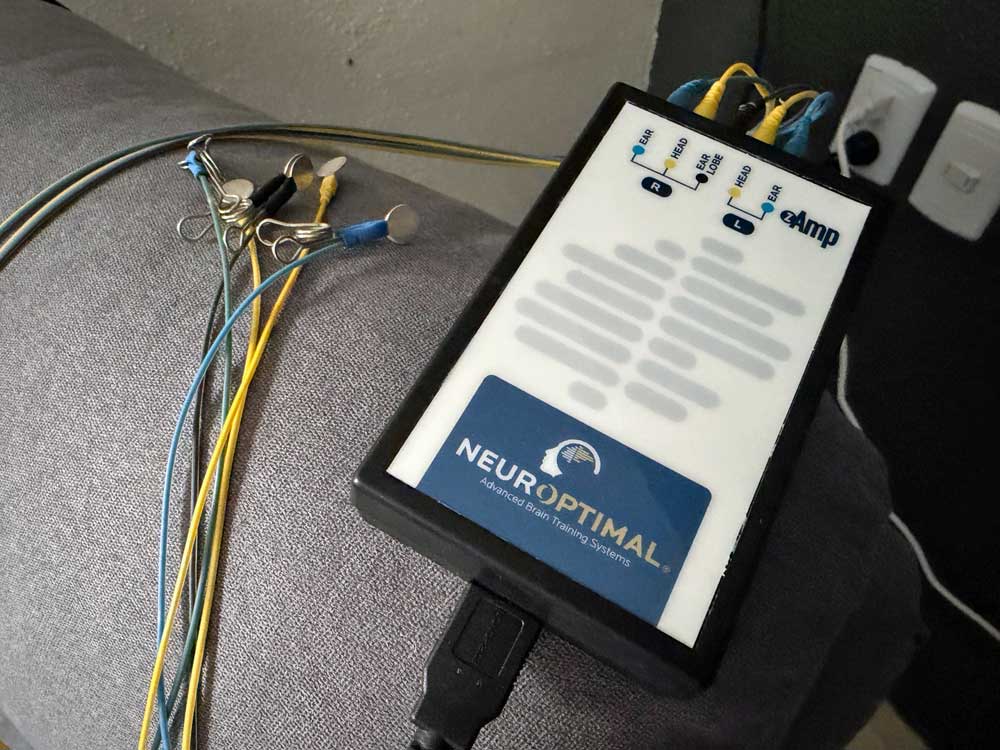
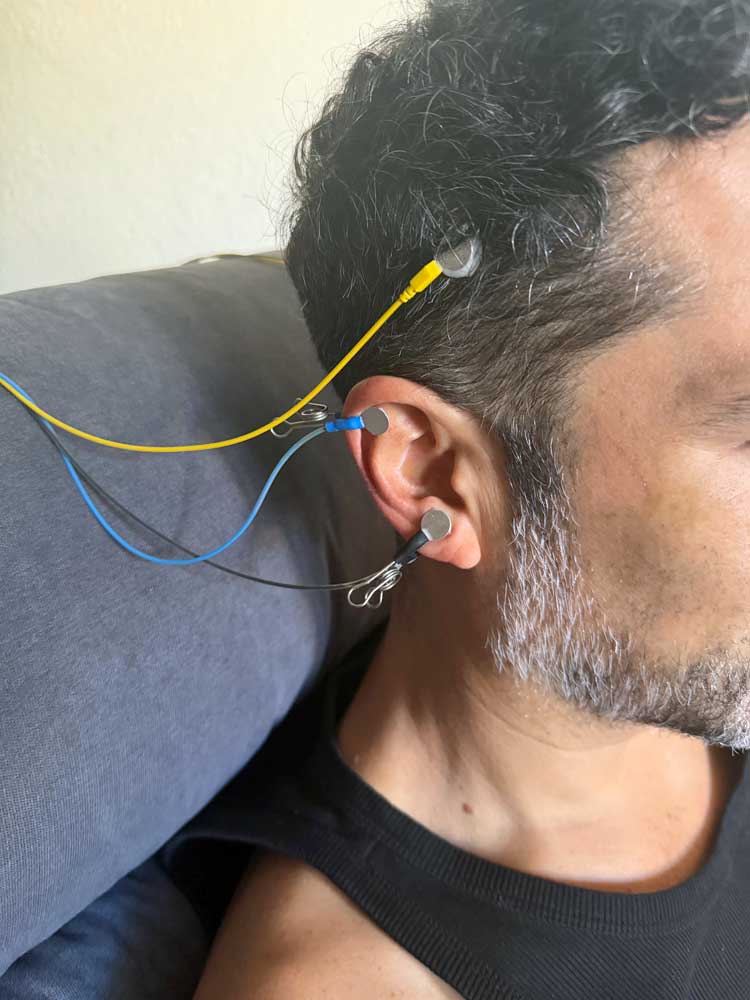
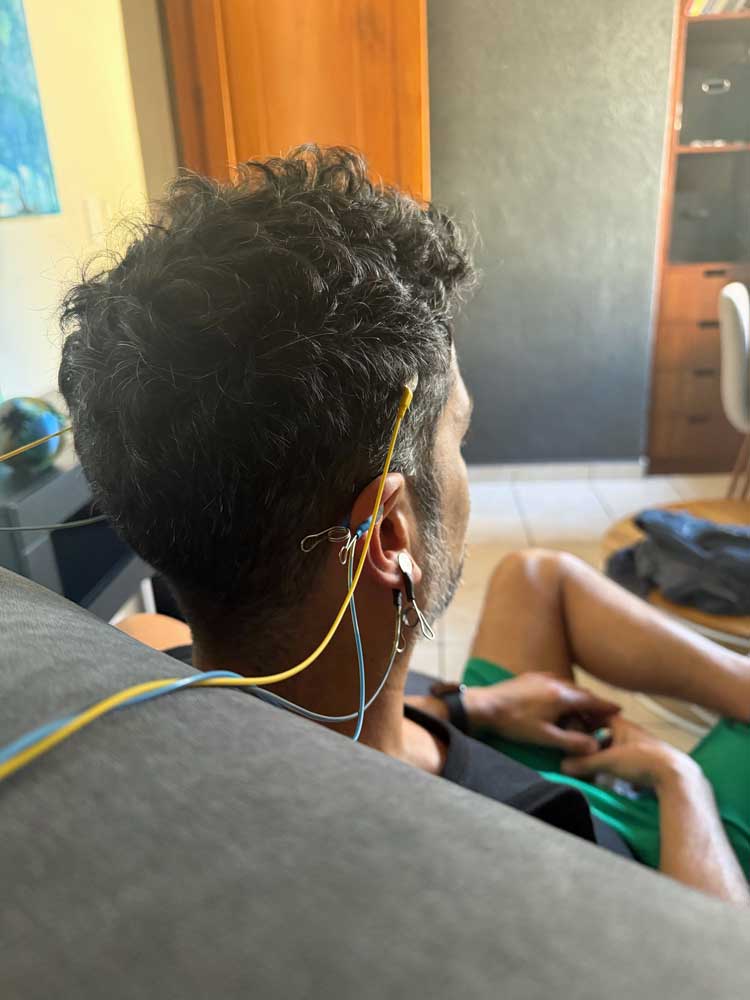
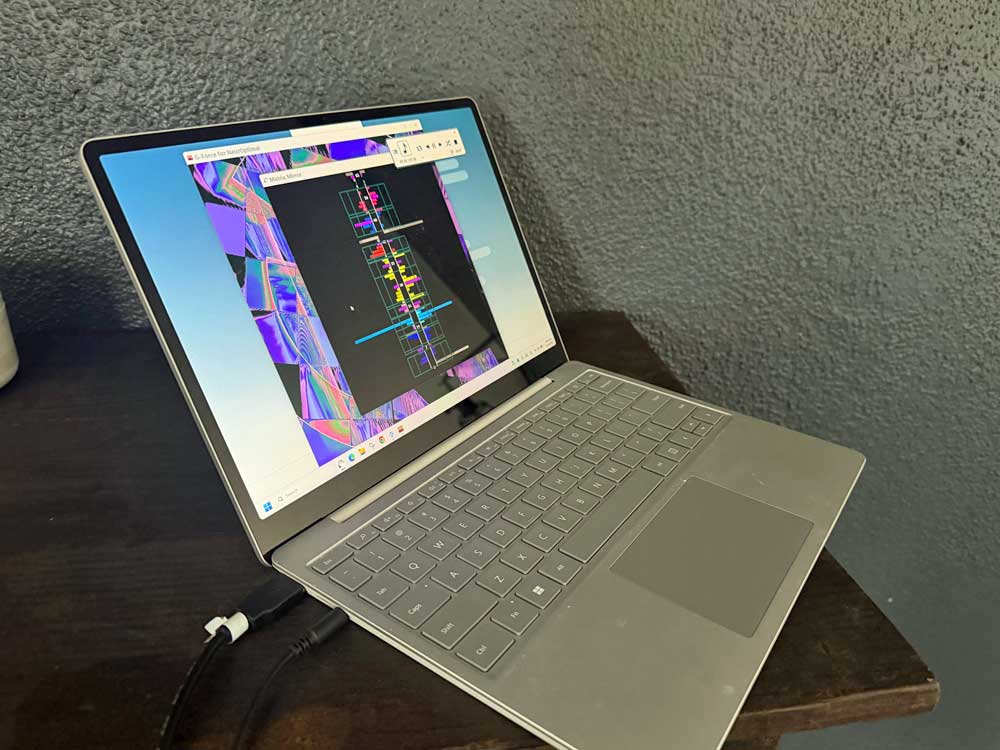
Importantly, no electrical signals are sent into the brain. During a session, sensors read brain activity while the client listens to music. Brief interruptions in the music provide real-time feedback. The brain interprets this information and makes its own adjustments. The process is gentle and non-invasive.
“The brain already knows how to adapt,” Stan explains. “We’re simply giving it accurate information so it can do that more effectively.”
Rather than viewing clients as a collection of symptoms, Stan considers the broader context of their lives: sleep quality, stress load, work demands, relationships, life transitions, and community connection. The nervous system sits at the center of all of it. When it becomes chronically stressed, thinking, sleep, focus, and emotional responses can all be affected.
Instead of chasing symptoms, the focus is on supporting the individual’s own effective response to life.
The Shifts Clients Experience
Over time, consistent patterns have emerged. Clients describe moving from stress to calm, from overwhelm to steady engagement, from emotional volatility to greater regulation.
Four different individuals, at separate times, shared that although they were not in immediate danger, they were living with recurring dark thoughts. After a single session, each described a noticeable easing in intensity. The pressure dropped. The internal noise quieted. Stan is clear that neurofeedback is not crisis care, but witnessing such shifts underscores the nervous system’s capacity for recalibration.
In another case, a child who had been sent home from school almost daily for disruptive behavior attended regularly after a month of sessions. It wasn’t forced discipline. It was improved self-regulation.
Professionals arrive feeling scattered and leave clearer. Business owners struggling with imposter syndrome begin trusting their competence. Individuals preparing to adopt want to feel grounded before welcoming a child into their lives.
“What changes isn’t personality,” Stan says. “It’s the calming of the nervous system.”
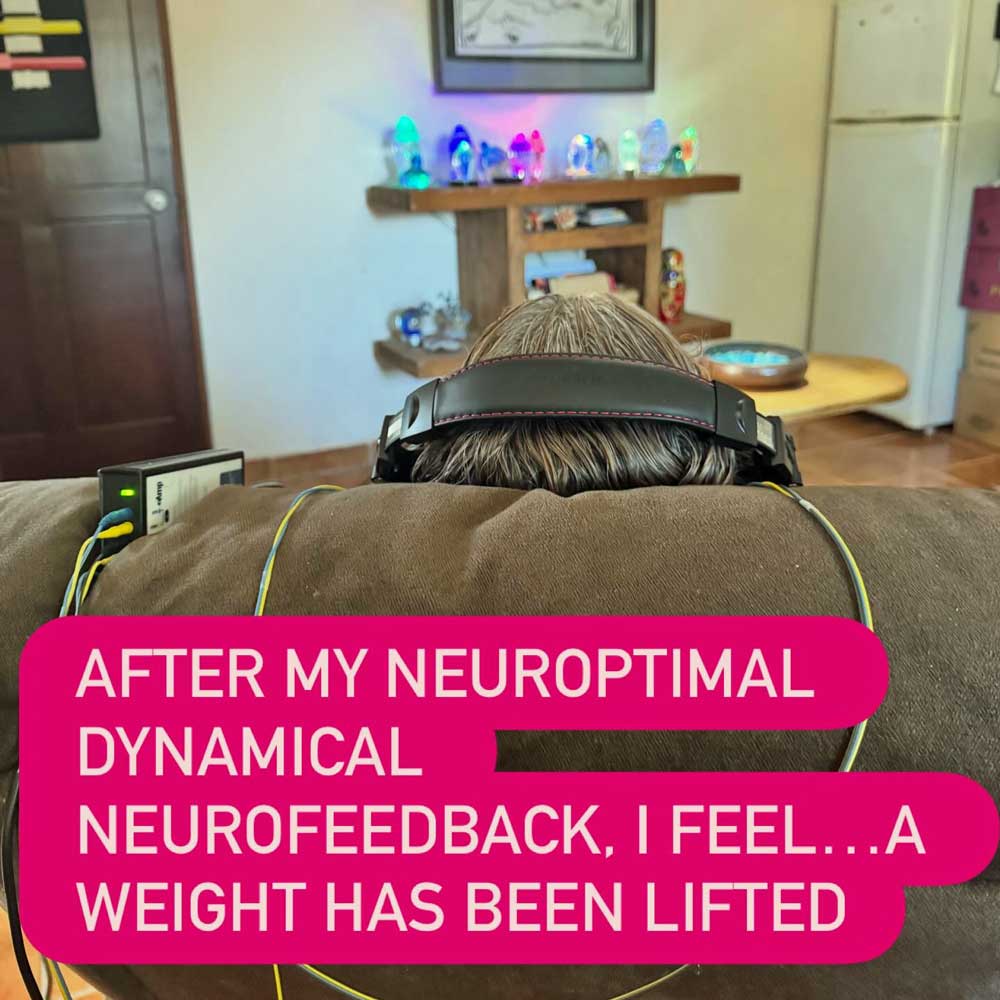
The phrase he hears most often is simple: “I feel lighter.” When that internal weight lifts, people move differently through their days. Conversations don’t escalate as quickly. Sleep deepens. The pause between stimulus and response becomes more accessible.
Mind, Body, Spirit — and Community
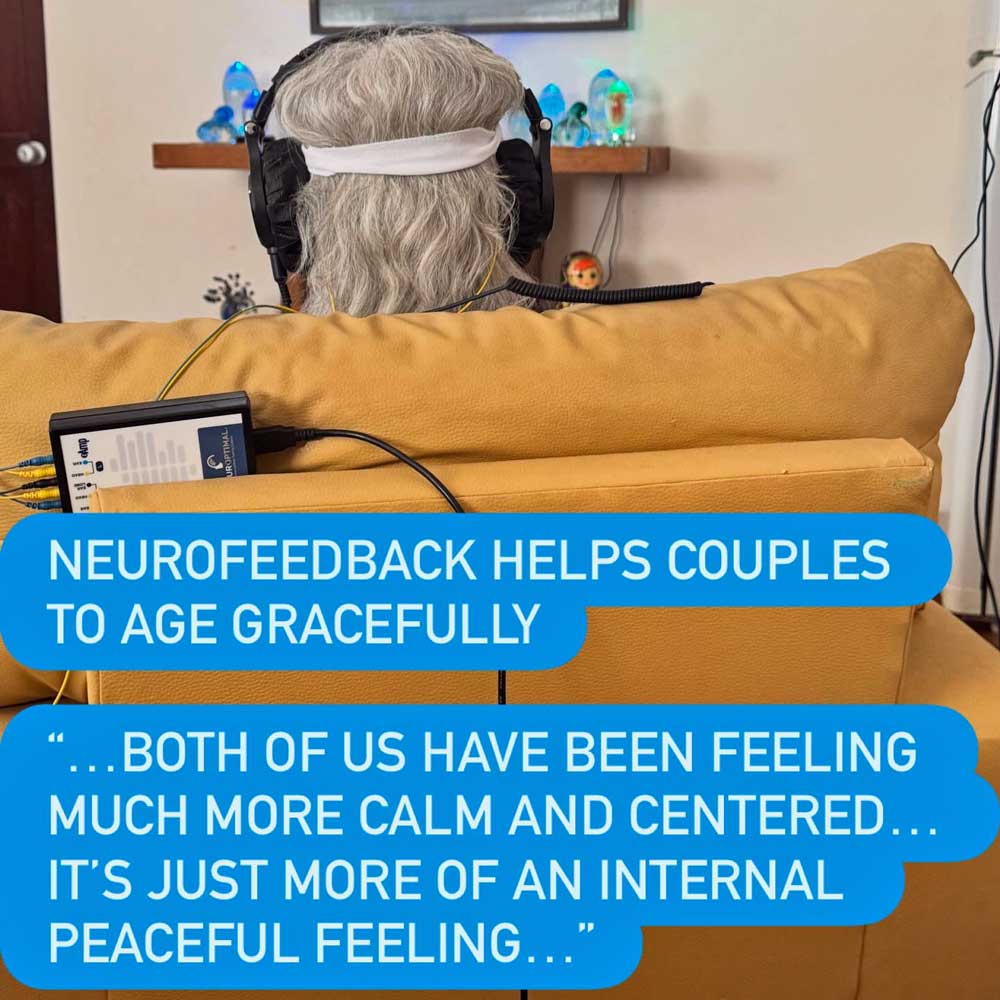
Stan believes neurofeedback can be for everyone because everyone has a nervous system. Children learning in rigorous academic settings. Busy parents stretched thin. Professionals under pressure. Older adults seeking clarity and resilience as they age. Individuals navigating health challenges who want steadier emotional regulation.
You don’t need a diagnosis. You don’t have to be in crisis. You don’t even have to believe in it.
“I often say, ‘Neurofeedback doesn’t change your life — it changes how you respond to life.’ And when your responses change, your experience changes with them.”
At Puerto Vallarta Neurofeedback, the emphasis extends beyond performance. The focus is on mind, body, spirit, and community. Stan does not see these as separate lanes. When the nervous system is dysregulated, life can feel fragmented. When it stabilizes, people often describe a grounded reset — not dramatic, but steady.
When anxiety settles and internal noise softens, people re-engage. They show up differently in conversations. They participate more fully in their communities instead of withdrawing or bracing against life.
Community matters deeply in Puerto Vallarta. Many residents are building new chapters here. Stan hopes Puerto Vallarta Neurofeedback is seen as a resource at the intersection of mind, body, spirit, and community — a place where people strengthen themselves so they can more fully engage with the life they are creating.
A Gentle Way to Begin
Sessions are 33 minutes, with an initial intake lasting approximately 60 minutes to understand each individual’s goals. The setting is calm and welcoming. There is no diagnosis, no forced protocol, and no pressure to experience something dramatic. Clients simply relax while their brain receives feedback and makes its own adjustments.
Puerto Vallarta Neurofeedback welcomes clients at two convenient locations: one in the Costco area at Cerrada Cardenal 227 (inside Rancho Ojo de Agua) and a second in the Romantic Zone at Lázaro Cárdenas 481.
Appointments and questions are welcome online, by call, text, or WhatsApp at +1 303-618-5080.
In a city that invites transformation, Puerto Vallarta Neurofeedback offers tourists and residents a gentle way to enhance their resilience and clarity. For those ready to feel lighter, clearer, and more grounded in daily life, this may be a steady and supportive place to begin.